Please Save My Sister!
Living Kidney Donor Needed
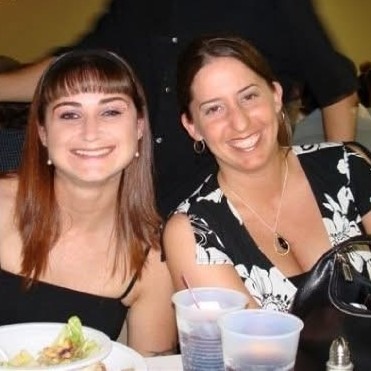
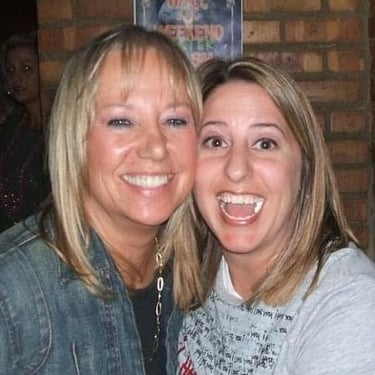
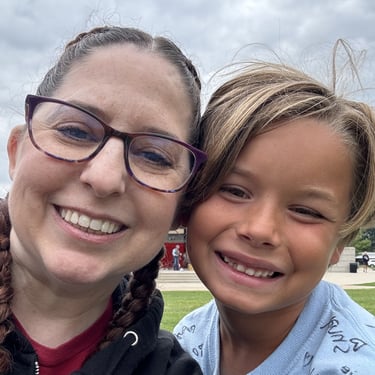
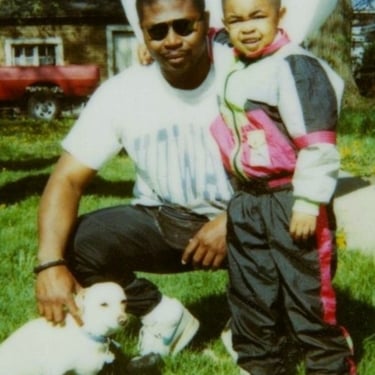
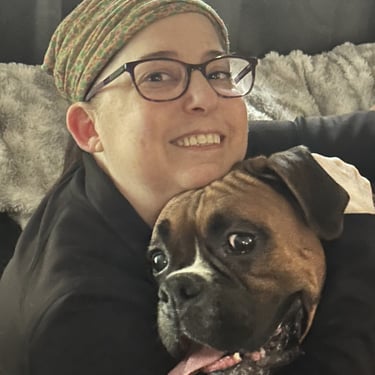
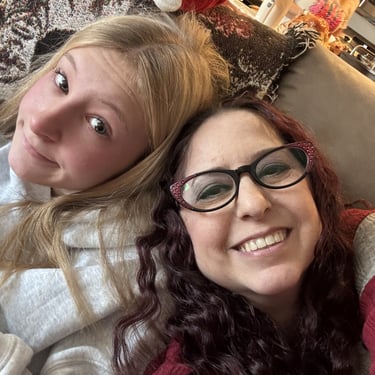
Pictures paint the story of this incredible woman
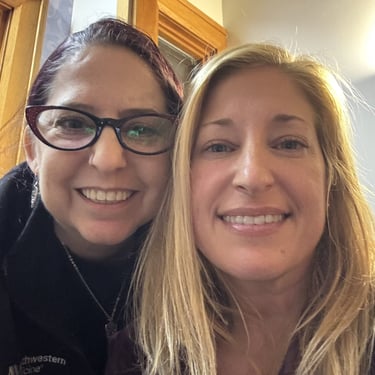
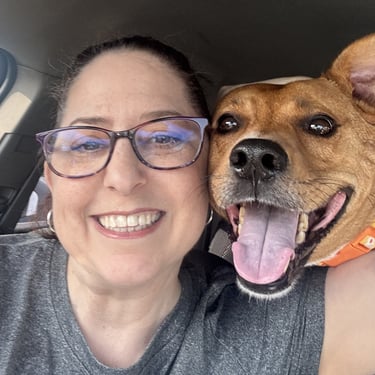
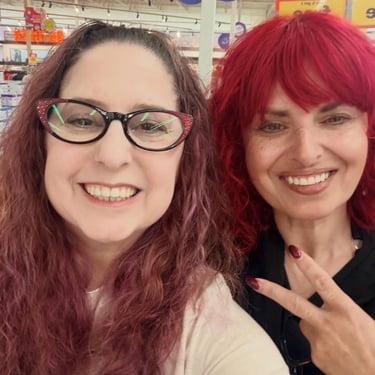
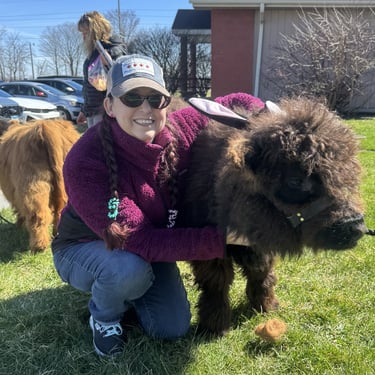
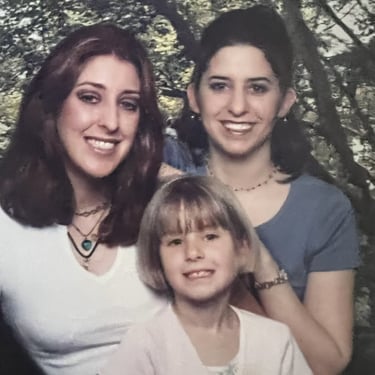
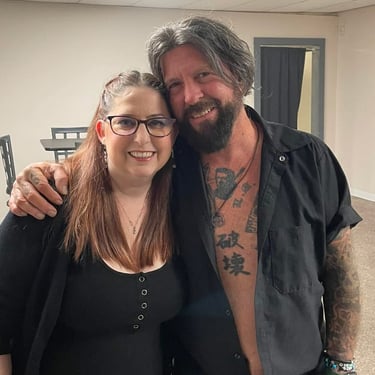
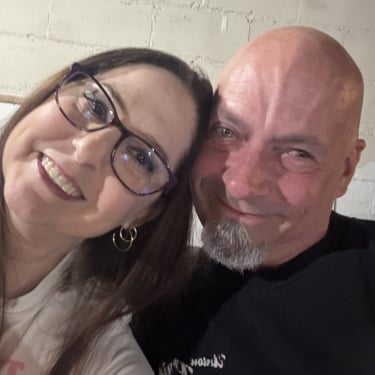
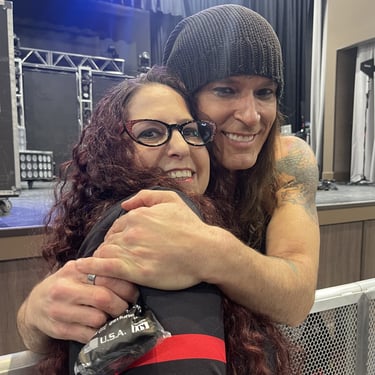
Hoy por ti, mañana por mi
Save My Sister
Living Kidney Donor Needed
Please Save My Sister
Please Save My Friend
Please Save My Advocate
Please Save My Human
Testimonial
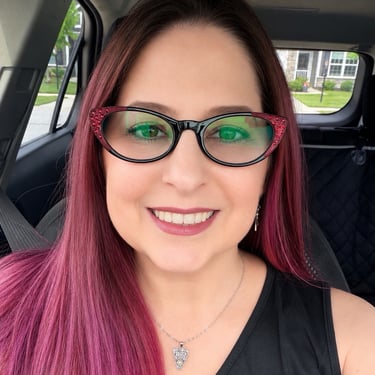
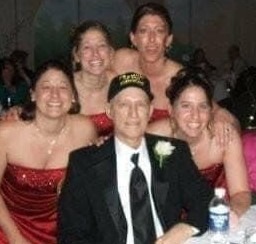
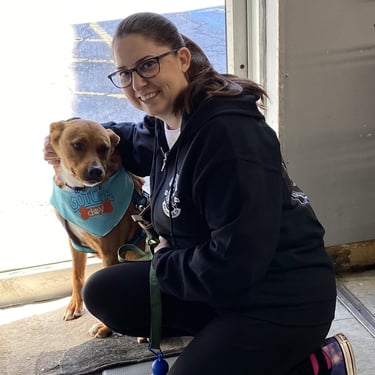
“My sister fights every single day, even when she is exhausted and scared. A transplant would give her hope, more time with the people who love her, and the opportunity to keep making a positive impact on everyone around her.” — Holly's Sister
Donors' Top 5 Questions
What are the real risks of donating a kidney? Will this shorten my life?
Kidney donation is major surgery and, like any surgery, the risk isn't zero. However, based on the latest research, the risk is in the range of a tonsillectomy or appendectomy. For the latest research, see Q&A under Donor Protect 360.
How can I survive with one kidney?
Our kidneys are the ONLY organ in the human body with a built-in spare. After donation, your remaining kidney grows up to 20% and takes over the job of two. Living with one kidney isn't that rare. About 1 in 750 people in the US are born with one kidney and live normal lives.
What if something happens to my remaining kidney after donation?
Northwestern Medicine partners with the National Kidney Registry or Alliance for Paired Kidney Donation. Both partners provide a "lifetime safety net" so, in the rare case something happens to your kidney, you are prioritized for a new living kidney.
I can't afford medical costs, "time off" from work and the out-of-pocket expenses.
First, your medical expenses are covered by the patient's insurance. Second, the donation process is designed to be "cost neutral." That means you are reimbursed for lost wages and expenses through your transplant hospital's partnership with the National Kidney Registry or Alliance for Paired Kidney Donation.
The chances I'm a match seem small. Why bother at all?
Not a match? Doesn't matter - you still save the patient's life through "paired kidney donation" and maybe even more!
Watch CBS News and see a real kidney donor explain how it works.
A Letter From Holly
I am art museums, loud music, beach sand, horror movies, farmers markets, local shops, big laughs, loyal friends, and Ruby my dog riding along for the adventure.
I love anything art and music. I could spend an entire day in an art museum and be completely happy. I love quiet moments too — reading, relaxing, walking through a vendor fair, supporting local shops, or simply being in the same room with the people I love. Sometimes that is enough.
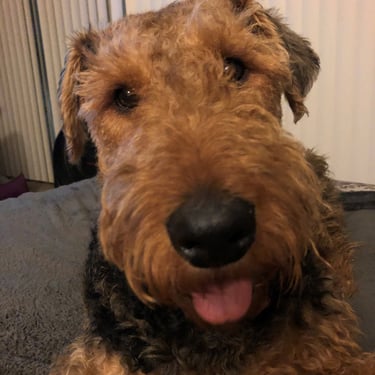
My dog, Ruby, goes almost everywhere with me. One of my favorite places is Beverly Shores, where we walk in the sand and get close to Lake Michigan. I love the ocean too, though I only go so far in. Between sharks and my double lung transplant, I am perfectly fine staying near shore.
I also love horror movies and thrillers, which probably says something about me. I can be scared of heights — at one point, even the second floor of a mall was a problem — but I have learned something important about fear: you can be scared and still keep going.
That has been a theme in my life.
In 2021, I received a double lung transplant that saved my life. That gift gave me more time, more purpose, and a deeper commitment to organ donation advocacy. Since then, I have tried to use my story to support others facing transplant, organ failure, and the long emotional road of waiting.
People who love me know I do not give up. I have overcome more than most people see. I am stronger than I look, more stubborn than I probably admit, and giving up has never been in my vocabulary.
Now I need help again.
The medications that protected my transplanted lungs have damaged my kidneys, and I now need a living kidney donor.
A kidney transplant would give me more time — time with Ruby, time with my friends who are family, time for art and music and beach walks, time to keep advocating, time to keep laughing, time to keep showing up for the people I love.
I have already been given one lifesaving gift.
Now I am asking for another chance to keep living this loud, weird, beautiful, stubborn life of mine.
— Holly
Watch why donation really matters

Testimonial
“I have known Holly since we were kids, and I have watched her face serious health challenges with dignity and grace. Even at her lowest, she has remained a tireless advocate for other transplant recipients. Holly deserves this chance.” — Lifelong friend
Anyone Can Be A Living Kidney Donor

Testimonial
“In 30 years of friendship, I have never met a more optimistic person than Holly. No matter what she has been through or is going through, she finds the strength and determination to make each day count.” — Longtime friend
Have You Seen a Miracle Happen? Watch This!

Testimonial
“Holly never stops advocating for organ donation, not only for herself, but for everyone traveling the difficult road of waiting for a donor. A kidney match would not only change Holly’s life, it would allow her to continue being a strong voice for others.” — Friend
Testimonial
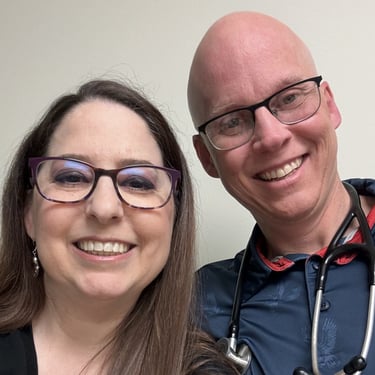
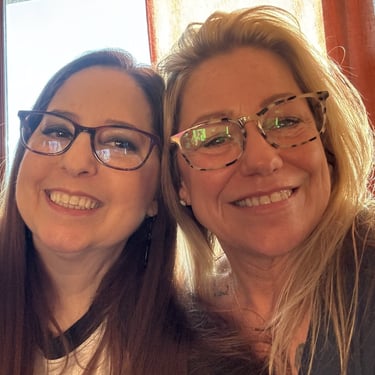
“Holly is a pillar of strength — selfless, golden-hearted, and full of love and light. Even when she is having a harder day than anyone around her, she is still the first person to make you laugh, lighten the mood, and feel better about yourself.” — Friend